Mental Health in Schools: Why Student Wellbeing Starts Before the Classroom
· 4 min read
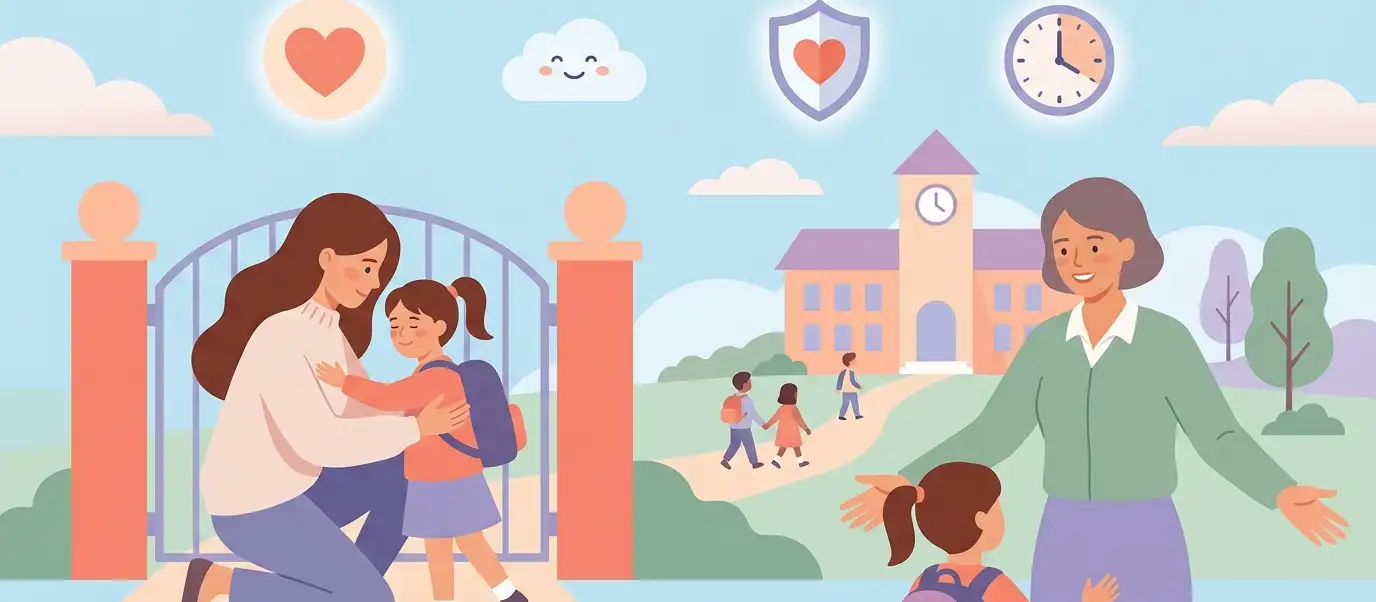
Student mental health has become a top priority for private schools — and for good reason. Research points to significant growth in anxiety, depression, and stress symptoms among school-age children and adolescents, worsened by the pandemic and intensive screen use.
But what few administrators realize is that student emotional wellbeing doesn't start in social-emotional class or during visits to the school psychologist. It starts much earlier — the moment the child enters the school and, equally important, the moment they leave.
What Research Says About School Mental Health
A World Health Organization (WHO) study indicates that 1 in 7 young people between ages 10 and 19 experiences some mental disorder — and that school is the second most influential environment in emotional development, after family. The American Psychological Association notes that safe and predictable school environments are direct protective factors against childhood anxiety.
Research by UNICEF and other organizations has identified that the feeling of physical safety in the school environment is directly correlated with academic engagement and student emotional wellbeing. Children who feel safe learn more and better.
Why School Dismissal Matters for Mental Health
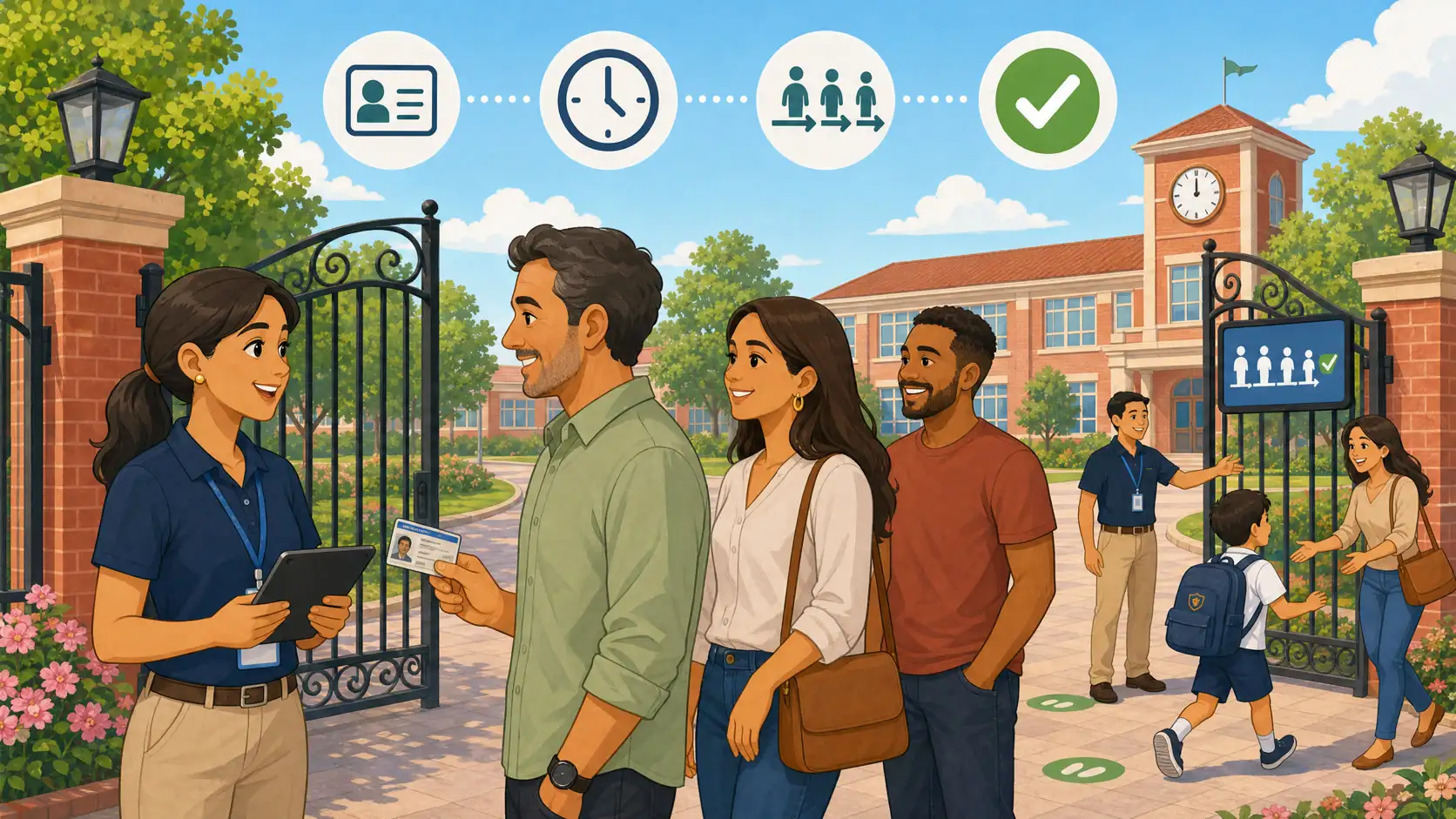
School dismissal is one of the moments of highest stress system activation in young children — especially in early childhood education, where separation from parents was already a difficult process in the morning. Uncertainty about who will pick them up, waiting time without visual reference of the guardian, and the chaos of a disorganized line are real anxiety triggers.
Research in developmental psychology indicates that the predictability and consistency of arrival and dismissal rituals are protective factors for young children's emotional health. An organized dismissal, where the child knows they will be called at the right moment and that their guardian is already arriving — is an act of mental health care, not just logistics.
Important: The child waiting at the gate without knowing where their guardian is isn't just uncomfortable. They're activating their attachment system — and this has real impact on their emotional state when arriving home, on sleep, and on engagement the next day.
How Kidsflow Contributes to Wellbeing at Dismissal
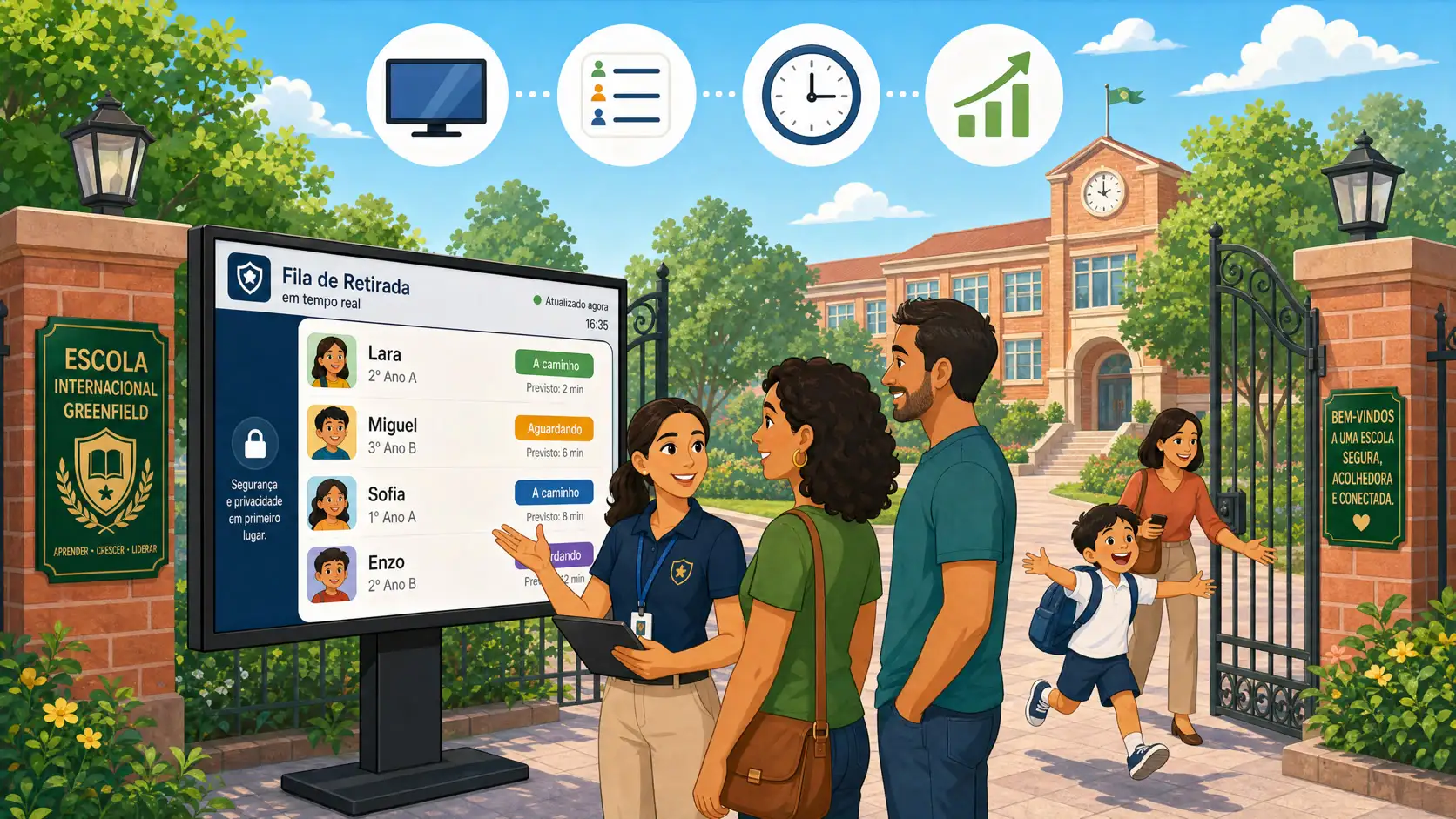
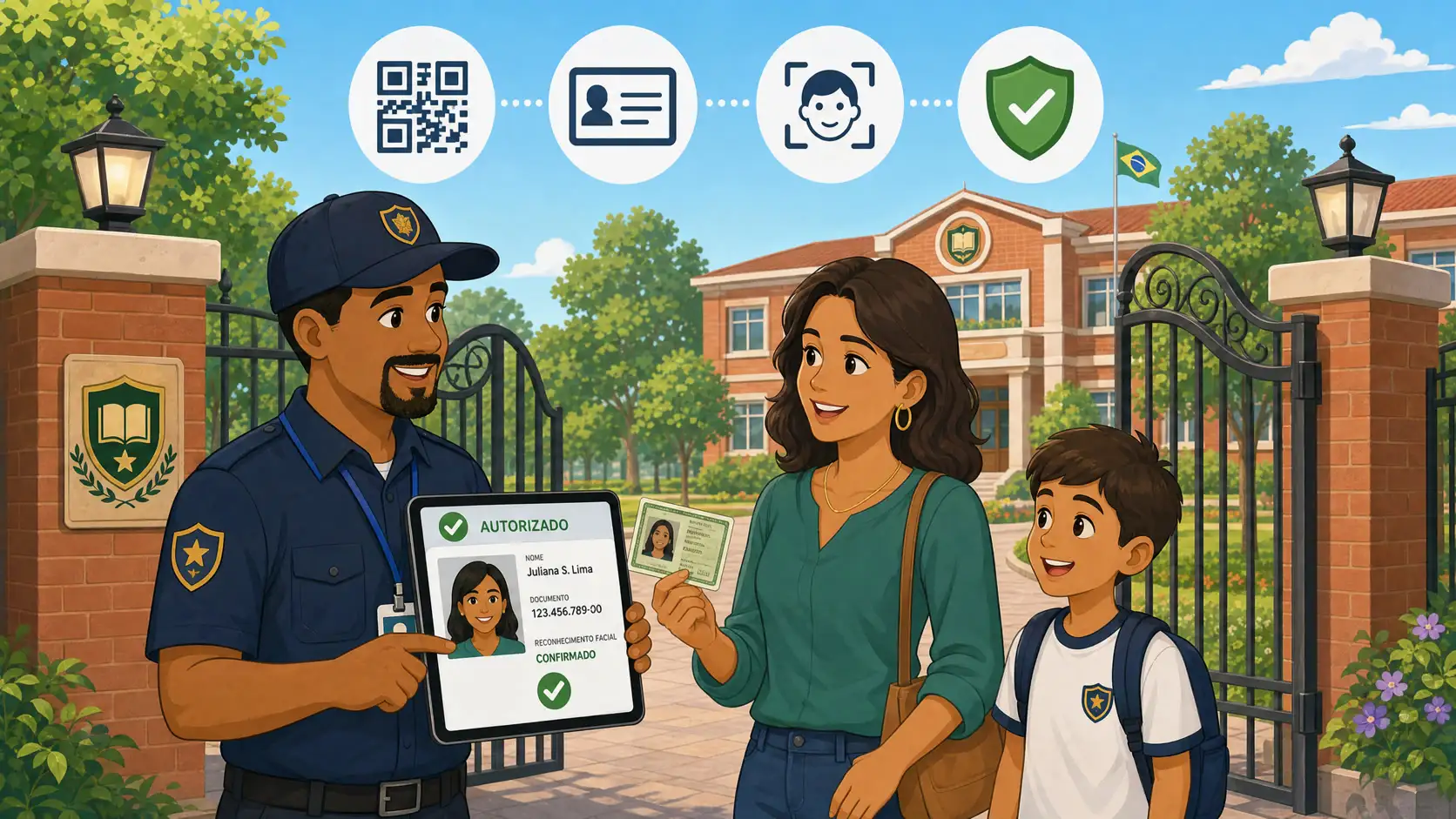
Kidsflow organizes dismissal so that the child is only called to the gate when the guardian is already arriving — eliminating unanchored waiting time. The family receives a push notification at the moment of release, knowing exactly that the child is being picked up. And parents who arrive anxious about pickup safety have concrete evidence in the app that the process is controlled.
The result is not just operational — it's emotional. A predictable, well-communicated dismissal reduces family anxiety, which reaches the children. And a school that cares for this moment communicates to families that it cares about students' holistic wellbeing — not just what happens inside the classroom. Learn more at www.kidsflow.com.br.
For schools wanting to connect parents with live cameras during the day, AlunoTV (www.alunotv.com.br) offers a window of transparency that also contributes to reducing family anxiety during the adaptation period.
5 Practices to Promote Mental Health in the School Environment
- Predictable arrival and dismissal routines — children regulate emotionally through predictability
- Proactive communication with families — uncertainty generates anxiety in parents and children
- Active listening spaces — a reference adult available to the student every day
- Teacher training in mental health and identification of distress signs
- School-family partnership — emotional wellbeing is built in both environments simultaneously
Frequently Asked Questions (FAQ)
What is the school's role in student mental health?
School is the second most influential environment in children's and adolescents' emotional development. Its role includes: creating a safe and predictable environment, early identification of distress signs, offering emotional support, promoting social-emotional skills, and maintaining active communication with families. The WHO recommends that schools adopt a whole-institution approach to mental health — not just occasional programs.
How to identify signs of anxiety in children at school?
Key signs include: recurring refusal to go to school, frequent physical complaints (stomachache, headache) without medical cause, difficulty concentrating, excessive crying at parent separation, irritability, social isolation, and behavioral regression. These signs should be communicated to parents and, if they persist, referred to a specialist.
Can school dismissal impact children's mental health?
Yes. Dismissal is a high emotional impact transition moment for young children. A disorganized dismissal, with uncertain waiting time and feelings of abandonment, activates the child's attachment system and generates real stress. On the other hand, a predictable and well-communicated dismissal is a protective factor — the child knows they will be picked up at the right moment, which reduces anticipatory anxiety.
What is a school mental health program?
A school mental health program is a structured set of actions that promote student emotional wellbeing throughout the institution. It includes: teacher training for identification and support, listening spaces and psychological support, integrated social-emotional curriculum, referral protocols for specialists, and active communication with families.
How to communicate effectively with families about mental health?
Effective mental health communication with families requires: accessible language without technical jargon, direct and agile channels (not just annual meetings), proactivity — informing before being asked — and empathy with parents' concerns. Digital communication platforms, like push notifications and dismissal records, help build trust by showing the school is transparent and organized.